





This is one step that most startups seem to pass up as they prepare for launch. And it's a biggie when creating lasting connections with your audience—your unique brand personality.
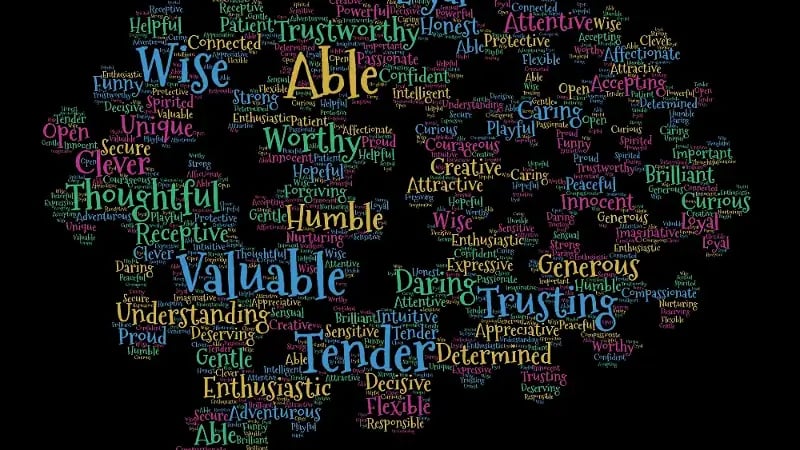
Personality? Really? Yep.
OK, you've heard all about the brand, brand voice, brand identity, even brand character...but "brand personality"...what on earth is that? Let's cover some working definitions real quick so we're all on the same page:
- A brand is how the public perceives your company.
- Branding is the set of activities a company undertakes to establish its brand.
- Brand identity is the collection of tangible elements like a logo, font, style, and tone of voice that create the desired feeling around your content on all channels where it appears.
- Brand personality is the set of human traits attributed to a company, such as being quirky, subdued, subtle, rugged, or outdoorsy.
It's the last one we're discussing today. Five primary personality traits summarize most companies today:
- Exciting
- Sincere
- Rugged
- Competent
- Sophisticated
Which are you? That's the question today's piece is intended to help you answer.
Defining Your Business's Brand Personality
There's no easy way to say this, but in the early days, your business personality will be your personality. You're the creative mastermind behind your company and your product/service, and all hiring will go through you as well, so even the team will display your personality to an extent. Your team member value proposition (EVP)? Yep, that will reflect your values, mission, and the culture you want to create at your business.
So, the first step to developing your brand personality is to do some soul-searching. Developing and documenting these traits early on can be a game-changer as you grow and increase your workforce, expand your product line, and so on. You'll have a sense of who your company is, so it's much easier to ensure your decisions align with that image and come across in your content and communications.
Do you have a social media presence? Have your marketing people (or a good friend if you are the marketing person) do a social media audit of your accounts. Don't tell them what you're looking for; just tell them to read through your timelines and compile a list of words that come to mind. Bonus points if you can do this with multiple people or groups of people; think of it as the focus group stage of a marketing campaign. But it's all about you, so I hope you have thick skin, just in case.
Take Advantage of Internal Resources
When we say that, it's generally about your employees, company assets, etc. This time it means more than that. Your resources include yourself, your inner circle of founders, investors, employees, product designs, existing online presence, the PR you've sent out in the launch run-up, and almost everything related to your company. Look especially hard at your EVP. What are you offering people when they come on board? This includes the tangibles like 401k and health care coverage, but it also includes the intangibles like office culture and work-life balance. It will give you a great deal of information about your brand personality.
Ask your inner circle if you're unsure of any of these aspects. What drew them to your company? What's made them stick around through the ups and downs of initial funding rounds and late-night code sprints?
Product Personality Matters, Too
Describe your product as though it was a friend you were describing to another friend to see if they might want to go out on a date. Then ask your designers, developers, sales team, and executive assistants to do the same. And if you're a service consultancy or the like, ask for anonymized descriptions of your consultants and what makes them stand out.
The idea is to gain deeper insight into the personality of your product. By this point, you should have quite an impressive list of descriptors; of you, your team, your company culture, your online presence, and your product. It's time to combine all this into a brand personality for your business.
Designing the Brand Personality You Want for Your Business
The easiest way to go through this will involve using a hypothetical business with a theoretical product. So, meet Get Unlost, LLC. This exciting new business, based in Boulder, Colorado, has developed an app that promises to keep you on track when looking for that Vanlife Glamping Spot you read about/saw on Instagram.
They're doing this with a combination of GPS and crowdsourced directions from an active community of Vanlifers following the founder's exploits on social media since he started his adventures four years ago (also where the first round of funding came from via a crowdfunding campaign). How do branding and marketing strategy come in?
Here's the final list of traits the team compiled over the last two weeks of sitdown brainstorming sessions (these cover the founder, company culture, product, etc.):
- Active
- Quirky
- Sarcastic
- Lux
- Needs a shower
- Friendly/helpful
- Community-oriented
- Adventurous
- Beer
- Nice Van!
Yes, we realize some aren't personality traits, but they say a lot about the team who thought them up, so they're perfect for our needs. From this list, the team can start to nail down their company's personality and, from there, their brand as a whole. They fall into a combination of two of the five categories we listed earlier, Sophisticated and Rugged.
Combining that with the fact that the founder is a known face at campsites everywhere and has an established social media following who love him for his sarcastic affability, you've got it. Now all Get Unlost has to do is document this personality so anyone joining the team can get up to speed on the tone, style, and voice they want to be used in all content and communication, and they're good to go. The mix of sophisticated ruggedness and community focus of the team AND the product will serve them well going forward.
People who resonate with their aesthetic will jump on board and help launch the app among the dedicated Vanlife community, and from there, it will spread organically through their networks. For a business like this, tapping into this sort of pre-existing community is the ultimate expression of a successful, well-executed brand personality.
Now it's your turn. There's no time like the present to determine your brand's personality.






Leave a Comment
Have thoughts on this article?
Share your feedback, ask questions, or join the discussion with our community.