





Many startups undervalue the importance of a branding initiative. Startup branding is the process of creating a cohesive, memorable, and differentiated story to establish a unique brand. In a world of unlimited choices, a strong brand is necessary to captivate consumers and capture market share.
![13 [Free] Marketing Tools for Your Startup](https://blog.aspiration.marketing/hs-fs/hubfs/Buyer%20Personas%20for%20Startups.webp?width=800&height=450&name=Buyer%20Personas%20for%20Startups.webp)
Brand identity is the collection of all elements a company creates to portray its image to consumers. A strong brand identity shows your core values, personality, and what differentiates you from your competitors. Your brand identity communicates why a customer would choose you over the competition.
Startup marketing is the practice of using targeted communication strategies to convey a new company's value to the world. It should engage potential customers on an emotional level and create a sense of ownership for customers and potential customers.
Here are some tenets every startup needs to establish.
A memorable name.
Your brand's name reveals its personality and should convey its position, tone, and values. Evaluate possibilities for ease of spelling, sound, and appearance and the appropriateness and relevance to your target audience.
A strong logo.
A logo has to be instantly recognizable, memorable, and cue your product. Color has been shown to increase brand awareness by as much as 80%. We recognize color before deciphering words and often associate certain colors with specific brands.
Test your logo. View it alongside other brands that will surround it. Ask yourself these questions:
- Is it stand out?
- Is it appropriate for the category?
- Does it read well in print, on the packaging, and online?
- Does it work in either black and white or color?
- Is it appropriate for the target market's consumers, cultures, and subcultures?
- Is it effective in conveying the brand personality?
- Does it cue the emotional response aimed for?
Well-rounded promotional strategy.
The goal is to develop a long-term strategy as you engage your target market through various mediums. Don't get caught up in promotional buzzwords. Identify your market and where it dwells. You must convey real and tangible benefits before anyone considers engaging with you.
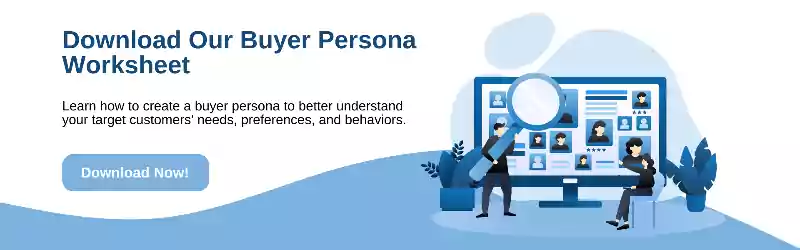
Identify your buyer persona.
Who do you want to sell to? As a startup, you want to make an impact fast, and the best way to do that is to focus on a niche market. Hopefully, the niche will be apparent based on your created product.
Now, dig deep and get specifics about your targeted people, for example:
- Where do they live?
- What are their likes and dislikes?
- How old are they?
- How do they like to be spoken to?
- How do they spend their free time?
Study your competitors.
Doing so allows you to determine if there's a gap in the market. That way, you can determine how you can brand yourself successfully.
- What do the most popular logos look like?
- What should I think about in picking a name?
- How does the competition talk to our shared customer base?
- How is my competition marketing themselves?
- What specifically is the competition good at? What are they bad at?
- What is their brand voice, and how does it play on social media?
Differentiate yourself.
There's a good chance somebody is already doing something similar to what you intend. To survive, you must identify how your product stands out from the crowd, no matter how small the difference might seem.
Start your branding strategy.
Being a startup allows you to get ahead of even the biggest companies. You get to start from scratch without a history of missteps to account for or any current strategy that needs adjusting. You can appear instantly as the perfect solution to your market's problem (whatever that may be).
People want brands that are transparent, human, and relatable. Give your company a history and identity before you go to market, so you have the resources to develop long-term relationships with your consumers.
Tell your story.
Startup branding starts with a story. Everyone loves a good story, particularly one that resonates or one we make an emotional connection with.
Tell about where your company came from and what caused you to create the product you're offering. As you dig into where you come from, you'll also see your company's motivation, values, and purpose with fresh eyes.
Be sure your identity is authentic.
Determine your values and demonstrate the culture that your company lives by.
- Remember, words rarely mean as much as actions
- Don't overcomplicate anything
- Defy expectations
These tenets are perfectly good in theory. Below are some tangible (and free!) tools to help carry out the above ideas.
This is not an all-encompassing list, but it is a sample of what's out there for you to use as you see fit.
Free Marketing Tools for Your Startup
There seems to be an endless number of articles, blog posts, eBooks, and more that all delineate what software tools are the best for a startup to use in developing a brand strategy and building a new company.
The truth is that generating leads is hard to do, especially if you're a new company without an established online presence. But you can succeed if you maintain your composure, focus on your objectives, and look for tools to push your brand forward. These tools may fit the bill. Remember that while many of them have free or demo components, allowing you to get a feel for the service, in some cases, you may have to pay to go all in with a certain tool. Other tools are completely free all the time.
- Mailshake: An emailing platform that helps you stay on top of your conversations with prospects. It can help configure automatic follow-ups, specify broadcast schedules, and personalize messages with a friendly user interface.
- BuzzSumo: A content research tool that finds the most popular content in any given niche. You can identify and gauge prospective influencers by looking at their engagement metrics. You can also see what type of content resonates with your target audience.
- Norbert: Acquires corporate email addresses, phone numbers, and social media pages of any person in a specified domain. This is useful in conjunction with BuzzSumo and supports integrations with platforms like Salesforce, Zapier, Drip, and Google Apps.
- Grow with Google (Google Primer): An app that delivers bite-sized marketing lessons on your mobile device. It provides actionable information on any topic, from building a site to establishing a trustworthy brand. This tool provides you with the knowledge to compete in the constantly changing world of online marketing.
- Hotjar: A tool for website optimization. It shows you which parts of your website users are most interested in, and you can analyze your funnel or add messages, take surveys, or run polls.
- RankWatch: An SEO management platform that provides actionable data for all digital marketing campaigns using their features, such as a website analyzer, backlink data categorization, keyword suggestions, competitor analysis, and more.
- ONTRApages: A tool for building and designing landing pages that work with your current website's design. Other tools for building a landing page are Ucraft and Lander.
- Canva: An often-mentioned and utilized design site. The possibilities are truly limitless. The Canva team also publishes informative posts on how to build good graphic designs.
- HubSpot Growth Suite: The HubSpot Growth Suite is an all-in-one HubSpot bundle/platform to grow your business. Market your business, use the available sales tools, and establish initial elements (e.g., tickets) for Customer Service processes. Already the free suite is impressive; for a (literally) handful of $s, you get a jumpstart on supporting your startup and a solid foundation for growth.
- Ahrefs: Use the free version to get a first grasp of SEO issues associated with your site. The free version is a fab start, from site audits to internal link-building opportunities.
- Google Analytics and Google Search Console: Google Analytics, GA4, has much information you need to track and analyze your site's traffic. It also helps monitor and understand user behavior to improve your marketing strategies. Google Search Console gives you critical information on how your site is performing within Google Search and numerous opportunities to improve it.
- ShareThis: It makes it easy for your users to share your content. SumoMe is a newer plugin that has become popular.
- Hootsuite: Handles all your social media management. You can link your social profiles, publish, and schedule as many posts for as many social profiles as you want. You get in-depth analysis and reports of your social presence.
This post is meant as a broad introduction to how to brand your startup, with a few specific ideas and suggested tools. We hope it's been helpful. After all, a solid brand-building strategy can lead your startup from taking off to being a successful competitor.





Leave a Comment
Have thoughts on this article?
Share your feedback, ask questions, or join the discussion with our community.