





Marketing is a dynamic field, constantly evolving. Key marketing trends like automation, big data, artificial intelligence, and the ubiquitous nature of smartphones have all shaped the direction of what was formerly seen as a staid business function.
The industry's move toward more adoption of these technologies shows no indication of slowing. This trend is solidifying and even accelerating in some cases. These are our top marketing trends to follow and ensure your marketing strategy is up-to-date.
User-Generated Content (UGC)
User-Generated Content (UGC) is any form of content, such as images, videos, text, or reviews, that has been posted by users on online platforms. Here's the thing—people trust people. UGC offers companies an inexpensive way to achieve multiple goals. Engagement on UGC is high, and the company can use the content to show off social proof of their claims' validity. On top of that, this marketing trend encourages new users to come on board by showing the product being used in the real world by real people.
Social Messaging Apps
This marketing trend is a numbers game. The top platforms include:
| App | Global Ranking | Year-Over-Year Status |
|---|---|---|
| Ranks number 1 in 63/100 countries. | Retaining its top spot from 2022. | |
| Facebook Messenger | Ranks number 1 in 16/100 countries. | Stays steady in second place. |
| Telegram | Ranks number 1 in 10/100 countries. | Retaining third place from 2022. |
Add 1.3 billion from WeChat, and you have a massive global audience to target. Adoption is already commonplace, with users giving their business to a company that uses one of these social messaging apps to communicate with their customers. The key to successful messaging is to highlight content, interact with customers on their terms, and be able to respond in-channel to customer questions, comments, or issues.
Artificial Intelligence (AI)
Artificial Intelligence (AI) in marketing is the application of machine learning technology to make automated decisions based on data collection and analysis. This entry is a blanket of sorts, seeing as how several of the other marketing trends on our list rely on an underlying use of AI to function. We'd like to highlight the ongoing and increasing use of algorithms that power these new technologies. Chatbots powered by natural language processing (NLP) can learn how to answer the public's questions better the more questions are asked. ChatGPT gained one million users within less than a week after launch. Other AI-powered technologies to watch include:
- Automated email campaigns
- Social media post generation
- AI-assisted blog article writing
- Programmatic advertising
Personalization
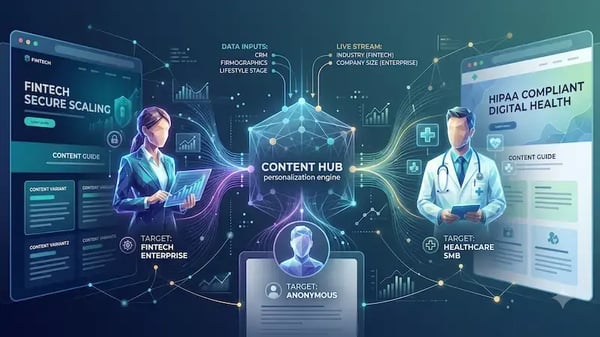
Personalization in marketing is a strategy that uses customer data to deliver more relevant content and tailored experiences to individual users. One of the specific abilities of AI technology we're watching is the ability to perform data-driven market segmentation and personalize nearly every aspect of your campaigns. This includes segmenting contact lists to better target niches and tailoring offers based on purchase or browsing history. The easy availability of data will continue to power innovations in this sphere, and savvy marketers will keep an eye out for new opportunities since 80% of consumers say they prefer a company that offers this personalized experience.

Video
We know. Video has been heralded as the next great marketing thing for several years. And that greatness just hasn't materialized for the most part. But the thing is, video is pretty great, and it is proving its staying power by not only not going away but steadily increasing its share of eyeballs. The proliferation of mobile computing has led to a decrease in long-form content consumption. In contrast, ubiquitous broadband connection speeds have led to an explosion of video content consumption. To the point where 63% of consumers say their favored method of learning about a new product is via short videos.
Voice Search
Voice search is a speech recognition technology that allows users to search the internet by speaking a query aloud rather than typing it into a search engine. Home smart speakers and mobile devices are behind this marketing trend, along with what are “micro-moments.” These are when people decide they need information on a subject in the spur of the moment and ask their device to look it up. Semantic search optimization is the term given to the SEO segment that focuses on how people ask questions vocally instead of how they used to type questions into search boxes. This optimization is required for any business wishing to reach about half of the US population using voice search features daily [DemandSage] and more than one-third (34%) using them at least once a week.
Omni-Channel Marketing Strategies
Omni-channel marketing is a strategy that encompasses multiple outlets to create a single, unified customer experience. This marketing trend might include channels such as:
- Blog posts
- Paid ads
- Social media offers
- TV spots
This approach contrasts with campaigns that use only one media type, like a standalone billboard. Maintaining a consistent voice across channels boosts engagement and fosters trust among your audience.
Content Marketing Will Continue to Dominate SEO
Content marketing is a strategic approach focused on creating and distributing valuable, relevant, and consistent content to attract and retain a clearly defined audience. About 80% of B2B marketers say content marketing and a solid inbound marketing strategy continue to generate trust by steadily increasing SEO pull. Content marketing isn't going anywhere but up, and the current content marketing trends will continue. The reduced costs involved and the additional lead-generating power it offers over traditional outbound techniques are behind the continued adoption of content marketing across sectors. In addition, a growing number of internet users install ad-blocking extensions in their browsers, and this software effectively quashes paid search ads.
The importance of organic SEO reach remains obvious. For ourselves, more than 80% of traffic at Aspiration Marketing websites comes from organic searches.
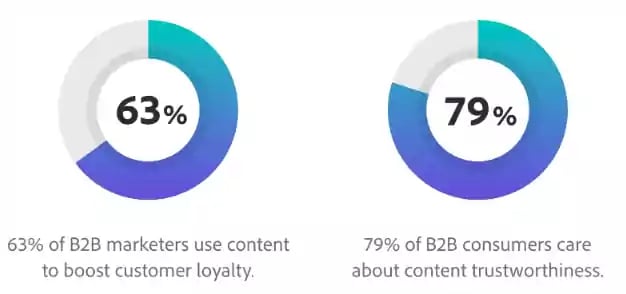
All the marketing trends on our list can be boiled down to one main focus—the customer experience. If not for your customers, what would be the point of all this investment of time and energy in marketing your product? Study after study has shown that the way to keep customers happy is to constantly improve their experience from the first time they see your content, through their research and learning phase, and through to becoming that happy customer. Keep your eyes on these trends and implement the ones that fit your needs, and you’ll be well on your way toward cultivating an army of happy customers.


Leave a Comment
Have thoughts on this article?
Share your feedback, ask questions, or join the discussion with our community.