





Blog content is the collection of articles, posts, and media on a website's blog, which is essential for attracting visitors and engaging potential customers. Blogging done right helps all businesses get found online, convert visitors to leads, nurture those leads to sales, and delight customers. A solid Content Marketing Strategy helps establish a more personal brand, builds trust, and is essential to effective Inbound Lead Generation. But stop blogging for the sake of generating more content!
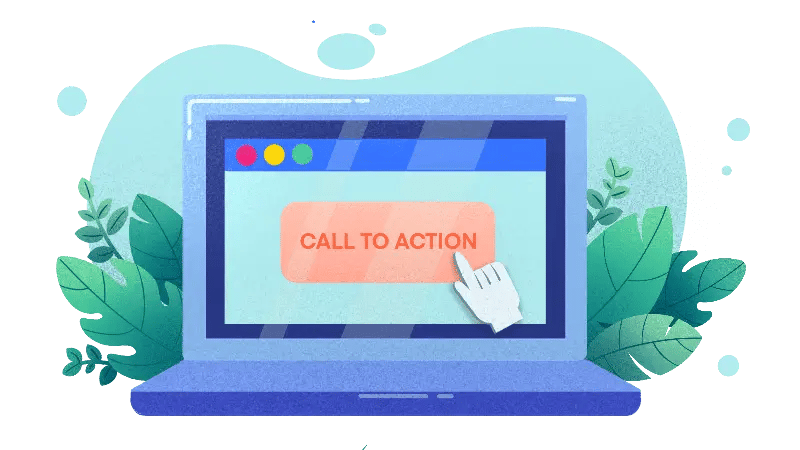

Once you've finished your blog post, it may be highly informative, and perhaps it even has a catchy title. Your blog includes relevant and informative content that prospective customers will appreciate, engage with, and hopefully share. But where is a link to your related landing page? Or what about a Call to Action (CTA) at the end of the page? If you are writing blogs with no conversion opportunities, you will not generate any leads.
Include a Relevant Call to Action
Every single blog post must have at least one CTA. Your readers should have some Call-to-Action throughout your blog, including subscriptions and a way to contact you. A CTA helps create a sense of urgency. It must be easy to find and intriguing to click. You never want to leave your reader struggling to find more information. You can place your CTA at the top of the page, at the bottom, within the blog post, in a sidebar, or as a floating/scrolling popup. You can even use two to three CTAs for longer articles. Just remember: without at least one, you are losing potential leads.
Facilitate Lead Nurturing
Your blogs can help with the lead nurturing process. Lead nurturing is the process of developing relationships with potential leads and nurturing them at their stage through the entire buyer's process. Let's face it: Over half of your CRM leads are not ready to buy your service or product. Example...
You do not start off your first date with the hard pitch, "Will you marry me." Why should it work in sales? Yet, so many approaches start with a "we can offer you X at discounted prices".....
What informative materials can you send your lead in the beginning, guides that answer questions to business issues they are facing; what makes your solution valuable to them, and why might they choose to work with you over the competitor? Provide your leads with engaging, relevant, and targeted content that reflects exactly where the buyer is during the buyer's journey.
You do not want to send irrelevant information that does not help or engage at their current buyer's stage. Throughout the buyer's journey, be aware of the three core stages, the Awareness Stage, the Consideration Stage, and the Decision stage.
Awareness Stage
The Awareness Stage is the first step in the buyer's journey, where a potential new customer is experiencing a want or need for a product or service. They are most likely searching Google for keywords and phrases to educate themselves on their issues. This is where an effective SEO strategy is essential. During this stage, it is critical to help educate the customer and show your familiarity with the issue and knowledge of potential solutions. Publications in this stage may include:
- Educational content
- E-guides and e-books
- White papers
- Relevant industry analyst reports
How-to tip: Create educational content that addresses your audience's pain points. These include blog posts, articles, infographics, videos, or webinars. When creating this content, use keywords and phrases your target audience is likely to search for.
Example: Let's say you are a business that sells software for small businesses. You could create educational content that addresses the pain points of small business owners, such as how to manage their finances, market their business, or hire employees. You could publish this content on your blog, social media, or email newsletter.
By crafting educational content that directly addresses your audience's pain points, you can help them understand their problems and provide them with potential solutions. This positions you as an expert in your field and builds trust with your target audience.
Consideration Stage
The Consideration Stage is the second step in the buyer's journey. During this stage, the buyer has better-defined goals and priorities and evaluates different options. You provide relevant information and help define decisions to be made. Generating content for the prospects in the consideration stage is critical to being helpful. Your content for this stage may include:
- Guides or product comparisons
- Videos or podcast interactions
- Expert guides
How-to tip: Create content that helps your audience compare different options. This content can be in the form of blog posts, infographics, videos, or comparison charts. When creating this content, be sure to compare your product or service to the competition and highlight the benefits of your product or service.
Example: Let's say you are a business that sells software for small businesses. You could create content that compares your software to the competition. In this content, you could highlight the features and benefits of your software and explain how your software can help small businesses to succeed. You could publish this content on your blog, social media, or email newsletter.
By creating content that helps your audience compare different options, you can help them to make an informed decision about which product or service is right for them. This will help you to convert more leads into customers.
Decision Stage
The Decision Stage is the third and final step in the buyer's journey. During this stage, the buyer has identified a solution to their problem. However, they are still looking for specific steps to its implementation, the implications and benefits of making the decision, and a trustworthy partner to assist with the procurement or implementation of the solution. The buyer spends most of their time researching and comparing the best option. Helpful content in this stage includes:
- Company or product comparisons
- Case studies
- Implementation guides
- Free trials
How-to tip: Create content that helps your audience make a decision. This content can be in the form of blog posts, infographics, videos, or case studies. When creating this content, highlight the benefits of your product or service, and explain how your product or service can help your audience achieve their goals.
Example: Let's say you are a business that sells software for small businesses. You could create content that helps small businesses decide which software to buy. In this content, you could highlight the benefits of your software and explain how your software can help small businesses to succeed. You could publish this content on your blog, social media, or email newsletter.
By creating content that helps your audience decide, you can help them choose your product or service. This will help you to convert more leads into customers.
 Congratulations, you made it to the final stage in the buyer's journey, you are so close to gaining a new customer, but your potential new customer has left your site and needs to get them back to your site and regain their attention. As most users will not sign up for your product or solution on their first visit to your site, a significant opportunity to maintain or increase your conversion rates is in bringing prospects back to win them as new customers.
Remind a potential new customer why they visited your site in the first place. Retargeting or remarketing with (paid) advertising, social media, or email follow-ups will need to entice and incent a visitor to return.
Conversion
The key to a blog post is to engage and facilitate a "conversion" from being an anonymous visitor to becoming a known entity, leading to new subscribers, buyers sharing and reading your content, and eventually purchasing and re-purchasing your product or service. The goal is to have your content illustrate the path to becoming a customer in various forms, channels, and pages on your site. Guide your reader to find answers to their specific issues. Customize your content for a specific buyer persona audience and interact with them, offering something valuable and unique.
So what are you waiting for?
Start writing your blog, but not just to create more content. Use your blog to help generate leads!
Choose topics to write about strategically, and develop your content strategy before writing your first blog post.
Generate content that addresses all stages of the buyer's journey and persona, making it personal and engaging. Attach one or more CTAs to each blog post. Follow these simple steps and watch how your website becomes a key driver of leads for your business.




Leave a Comment
Have thoughts on this article?
Share your feedback, ask questions, or join the discussion with our community.