




Both webinars and podcasts can be powerful tools for building brand awareness, generating leads, and engaging with your audience. But which content format is the best fit for your brand?
Whether you're a seasoned marketer or just starting, selecting the best format is crucial for creating engaging content that resonates with your audience. So, let's dive in and discover which format reigns supreme in the marketing world - the webinar or the podcast.
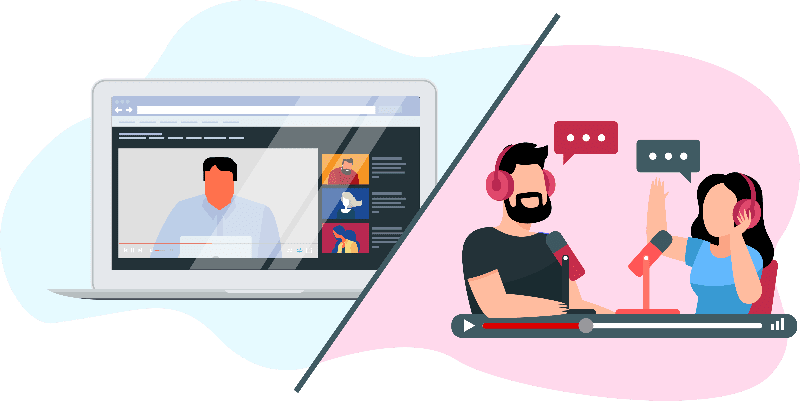

Before we dive into the benefits of webinars and podcasts, let's first define what these content formats are.
A webinar, short for "web-based seminar," is a live or pre-recorded presentation, lecture, or workshop conducted over the Internet. A webinar typically involves a speaker presenting information on a specific topic, allowing attendees to interact and ask questions in real-time via chat or other communication tools.
On the other hand, a podcast is an episodic audio program, typically released on a regular schedule, that can be accessed and downloaded by listeners from various platforms like Apple Podcasts or Spotify. Podcasts can cover a wide range of topics, from news and politics to entertainment and lifestyle, and may feature a single host or multiple guests.
Both webinars and podcasts offer unique benefits and can be effective tools for reaching and engaging your audience. The key difference between a webinar and a podcast is the format and delivery method. While webinars provide a more interactive and real-time experience, podcasts are typically consumed on-demand and offer the flexibility to listen at your own pace.
Now, let's explore the benefits of each format in more detail to help you determine which is the best fit for your brand and marketing goals.
Benefits of Webinars
Webinars have become an increasingly popular tool for marketers in recent years, and for a good reason. They offer a unique opportunity to engage with your audience in real-time and provide valuable insights and information that can help drive conversions. By using one of the leading webinar platforms in your content marketing strategy, you can gain several benefits:
1. Increased Engagement
One of the most significant benefits of a webinar is the high level of engagement it can generate. Unlike other content formats, webinars provide an interactive experience where viewers can ask questions, participate in polls, and engage with the presenter and other attendees in real time. This interactive environment creates a sense of community and fosters a deeper connection between your brand and its audience.
2. Lead Generation
A webinar can also be an effective tool for lead generation. By requiring attendees to register in advance, you can collect valuable contact information that can be used for follow-up marketing efforts. Additionally, the content presented in a webinar can help showcase your brand's expertise and authority, making attendees more likely to engage with your brand in the future.
3. Cost-Effective
Webinars can be a cost-effective way to reach a large audience compared to other marketing initiatives. With the right equipment and a reliable internet connection, you can host a webinar from virtually anywhere, eliminating the need for expensive production costs or travel expenses.
4. Scalability
Webinars are also highly scalable, allowing you to reach a large audience without requiring additional resources or manpower. Whether you're hosting a live webinar or a pre-recorded session, the content can be accessed by anyone with an internet connection, making the webinar an ideal format for reaching a global audience.
5. Measurable Results
Another key benefit of a webinar is the ability to measure results and track the success of your marketing efforts. With the right tools and analytics, you can gather data on attendance, engagement, and conversion rates, allowing you to fine-tune your strategy and optimize future webinars for maximum impact.
Benefits of Podcasts
Podcasts have exploded in popularity over the past decade, with millions of people listening to their favorite shows each week. From news and entertainment to business and personal development, there's a podcast for almost every imaginable topic. Some of the key benefits of using podcasts for your marketing efforts include:
1. Convenience
One of the most significant benefits of a podcast is the convenience it offers. Unlike webinars, which often require attendees to be available at a specific time, podcasts can be consumed on-demand and at the listener's pace. This makes the podcast an ideal format for busy professionals or those with hectic schedules.
2. Accessibility
Another benefit of a podcast is its accessibility. Podcasts can be listened to on various devices, from smartphones and tablets to laptops and desktop computers. This means that listeners can access your content anytime, anywhere, making it easier to reach a wider audience with your podcast.
3. Personal Connection
Podcasts also offer a unique opportunity to establish a personal connection with your audience. Unlike other marketing initiatives, a podcast is typically hosted by a single person or a small group of hosts. This allows listeners to get to know the host(s) and feel a sense of familiarity and trust with them over time.
4. Low Barrier to Entry
Compared to other content formats, podcasts have a relatively low barrier to entry. All you need to get started with a podcast is a microphone, recording software, and a topic or theme. This makes podcasts a cost-effective way to create engaging content, build your brand, and connect with your audience.
5. Longevity
Finally, one of the biggest benefits of a podcast is its longevity. Unlike social media posts or other forms of content that can quickly disappear from view, podcast episodes remain available for listeners to access and enjoy indefinitely. This means that your podcast content can continue to generate leads, build brand awareness, and engage with your audience long after its release.
Webinar vs. Podcast: Which Is Right For You?
Now that we've explored the benefits of webinars and podcasts, how do you choose which format is best for your brand and marketing goals? The answer depends on various factors, including your target audience, the nature of your content, and your overall marketing strategy.
A webinar may be the better choice if you're looking for a more interactive and immediate way to engage with your audience. Webinars allow you to connect with your audience in real time, answer their questions, and provide valuable insights and information on a particular topic. This format is particularly effective for educational content, product demos, and other types of content that require more interaction and engagement with your audience.
On the other hand, a podcast may be the way to go if you're looking for a more convenient and accessible way to deliver your content. Podcasts offer a lot of flexibility in terms of when and where your audience can consume your content, and they can be a great way to establish a personal connection with your listeners. This format is particularly effective for thought leadership content, interviews, and other types of content that don't require as much real-time engagement with your audience.
Ultimately, the decision between a webinar and a podcast will depend on your specific goals and target audience. A podcast may be the better choice if you're targeting a busy, on-the-go audience. A webinar may be the way to go if you want to provide more in-depth and interactive content. Additionally, you may find that a combination of both formats can be effective, allowing you to reach your audience in multiple ways and provide a range of content that meets their needs and preferences.
No matter which format you choose, ensuring your content is high-quality, informative, and engaging is essential. By providing value to your audience and establishing yourself as an authority in your industry, you can build a loyal following and achieve your marketing goals over time.





.webp?width=600&height=375&name=Choose%20B2B%20agency%20for%20EdTech%20(1).webp)

Leave a Comment
Have thoughts on this article?
Share your feedback, ask questions, or join the discussion with our community.